
When a public job is awarded, most people assume nothing happens until equipment shows up and barrels hit the street. That is not reality. The most important work on a project often happens before a single shovel goes in the ground.
Contract Coordination Comes First
Once the award is official, the first move is contract coordination. This is where the job gets structured to start and finish with intent. Subcontracts are negotiated and executed. Material purchase orders are generated. Lead times are confirmed. Aggregate, pipe, structures, and the like get scheduled against the anticipated production sequence.
At the same time, internal planning begins. Manpower is allocated. Equipment is assigned. Plant capacity and trucking are reviewed. A baseline schedule is built around the intended means and methods, not just contract durations. The goal is alignment between field production, suppliers, and subcontractors before mobilization ever occurs.

Preconstruction Meeting With the Owner and Engineer
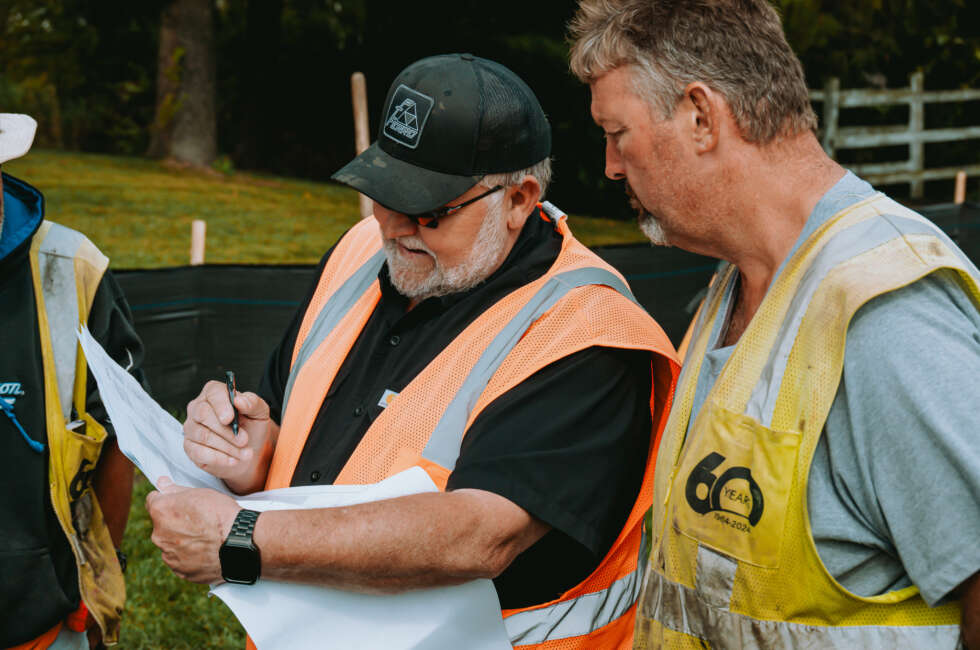
Before field work begins, a formal preconstruction meeting is held with the city, village, county, or township that initiated the project, their engineer, and the contractor’s key representatives. This meeting sets the tone for the entire job.
Contract requirements and expectations are reviewed in plain terms. Any concerns or proposed adjustments are put on the table early. Phasing and schedule are discussed so everyone understands what gets built when and how long each stage will impact the public.
Traffic control and public access are confirmed. That includes detours, driveway access, business entrances, schools, emergency routes, and communication protocols. Inspection and testing procedures are clarified so there are no surprises on density testing, sampling frequency, documentation, or material certifications.
Utility coordination is addressed directly. Responsibilities are defined. Timelines are discussed.
Payment procedures are reviewed as well, including pay item documentation, ticket tracking, and force account processes. Most public contracts require approval by a city or village’s board, so meeting schedules are reviewed, and a timeline is structured to keep cash flowing on the project.
Phasellus gravida ullamcorper luctus. Donec condimentum tortor sollicitudin, venenatis odio ac, rhoncus nulla. Praesent condimentum, mi ut tempus semper, est libero volutpat elit, at commodo magna orci malesuada erat. Nunc pretium sodales urna, eu convallis metus dictum vitae.
Utility Locates and Conflicts
Unforeseen utility conflicts pose the single biggest threat to the schedule in public road construction. No amount of diligence by a design engineer can predict with complete certainty what is underground. Records are imperfect. Facilities get abandoned. Depths vary.
All reasonable steps are taken to identify conflicts before construction begins. Utility locates are requested early and refreshed as required. Critical crossings and excavation areas are verified in the field. Potholing is used where tolerances are tight or the risk is high.
If relocations or protections are required, coordination with utility owners starts immediately. Their schedules rarely align perfectly with the contractor’s production plan, and delays in utility work often translate directly into project delays.
When a conflict is discovered, it is documented promptly and elevated through the engineer for direction. The objective is always the same: Resolve the issue quickly and keep the project moving so the public is not impacted any longer than necessary.
Permits, Submittals, and Approvals
Before construction begins, a significant number of submittals must be prepared and approved. These can include mix designs, material sources, certifications, and any required working drawings.
Permits are finalized during this period as well. Environmental requirements are confirmed and documented. Any agency approvals tied to waterways, railroads, highways, or local jurisdictions are secured.
All approvals must be in place before field operations start. This is not administrative busywork. A missed permit or rejected submittal can stall production and create exposure that far outweighs the time it takes to do it right.
Why This Time Matters
The period between contract award and breaking ground is where disciplined contractors separate themselves. This is where safety plans are built around real staging and traffic conditions. This is where logistics are aligned, so crews, trucks, plants, and materials move in sequence instead of in conflict. This is where expectations are clarified with the owner and engineer, so decisions in the field are timely and grounded in the contract.
When this phase is executed properly, construction runs more smoothly. Crews focus on production and quality instead of reacting to preventable problems. The public experiences fewer delays because phasing, access, and utility coordination were handled with intention. The finished roadway performs the way it was designed to because materials, testing, and workmanship were managed from the start.
That is how public roads get built with intention, accountability, and respect for the people who rely on them every day.
