
What Clients and the Community Should Know
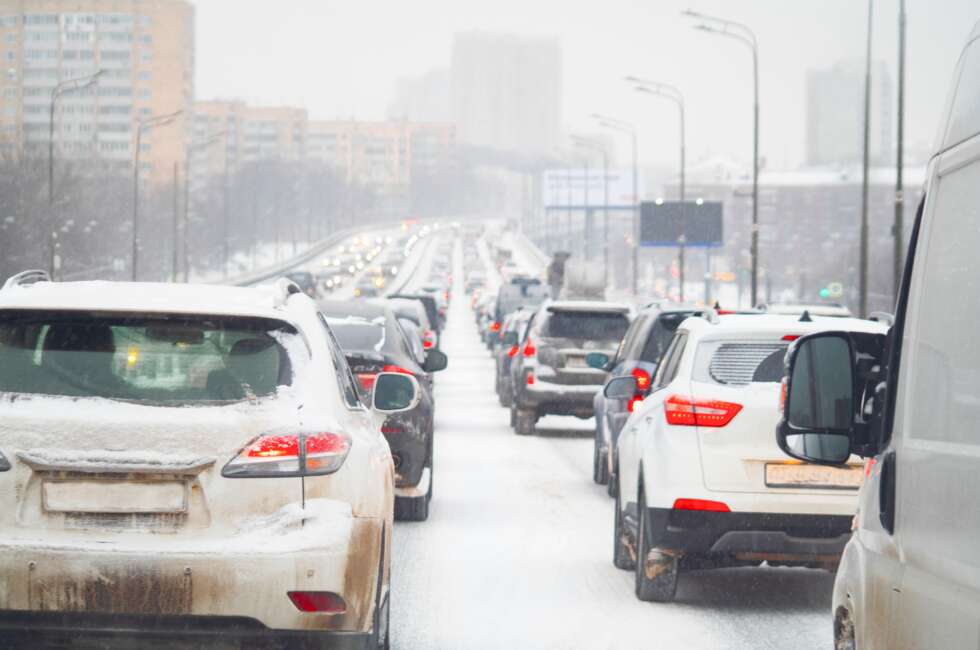
Weather is not a footnote in construction. It is one of the biggest drivers of how projects are planned, sequenced, and completed, especially in road and infrastructure work.
Most people see a crew slow down or a job pause and assume something went wrong. In reality, a lot of those decisions are deliberate. We are balancing safety, quality, and long-term performance. If the conditions are wrong, pushing ahead usually costs more later, either in repairs, rework, or early failure.
Understanding how weather affects construction timelines helps explain why work sometimes pauses, and why that pause often protects the finished product.
Weather Is One of the Biggest Variables in Construction
Schedules are built using historical climate data, seasonal expectations, and the specific requirements of each job. We plan around what we can. The part we cannot control is what the weather actually does day-to-day.
Bad weather does not just slow production. It changes how materials behave, how the ground performs, and what is safe to do on a live jobsite. That matters whether we are grading, placing pipe, pouring concrete, or paving asphalt.
Rain and Moisture Conditions
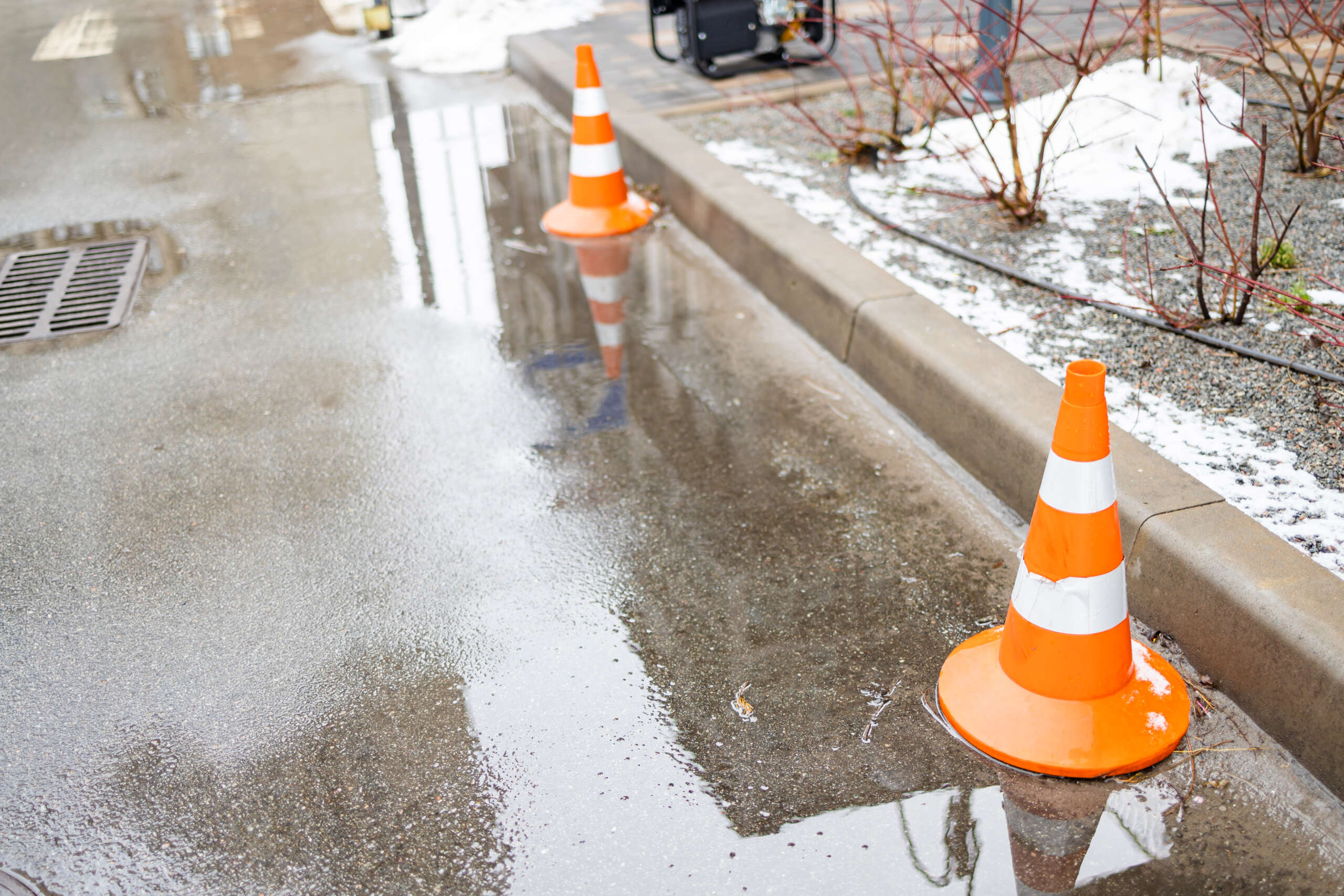
Rain is one of the most common causes of schedule impacts, particularly early in a project when we are working with earth and aggregates.
Excess moisture affects construction in a few key ways:
- Saturated soils cannot be compacted to spec. If you cannot compact it properly, the foundation won’t be stable.
- Standing water interferes with excavation and utility work. Trenching, setting structures, and backfill operations all get compromised.
- Asphalt and concrete placement require controlled conditions. Moisture and unstable base conditions can lead to problems that show up later as rutting, settlement, cracking, or premature surface defects.
Even after the rain stops, work does not always restart immediately. The site needs time to drain and dry. If the ground cannot support equipment or hold compaction, the right move is to wait. That is not lost time. That is protecting the work.
Temperature and Material Performance
Temperature matters just as much as moisture.
Asphalt has a workable window. It needs to be placed and compacted before it cools too far; you cannot achieve proper density. When density suffers, pavement life suffers.
Concrete is also temperature sensitive. Cold conditions can slow strength gain, and freezing can damage concrete before it reaches the required strength. Hot conditions can cause it to cure too fast, increasing the risk of shrinkage cracking and surface issues.
Bottom line, the calendar does not control this. Physics does.
Seasonal Impacts in the Midwest
In the Midwest, you do not get four polite seasons. You get big swings.
- Winter can bring frozen ground, limited asphalt production windows, and conditions where excavation or paving simply is not practical.
- Spring is often wet, which affects subgrades, base preparation, and utility work.
- Summer gives the best paving conditions, but heat and storms still create safety and quality challenges.
- Fall can be productive, but daylight shortens, and temperatures can drop fast.
That is why many projects are planned with intentional sequences. The goal is to schedule the right work in the right season, not fight the season and lose.
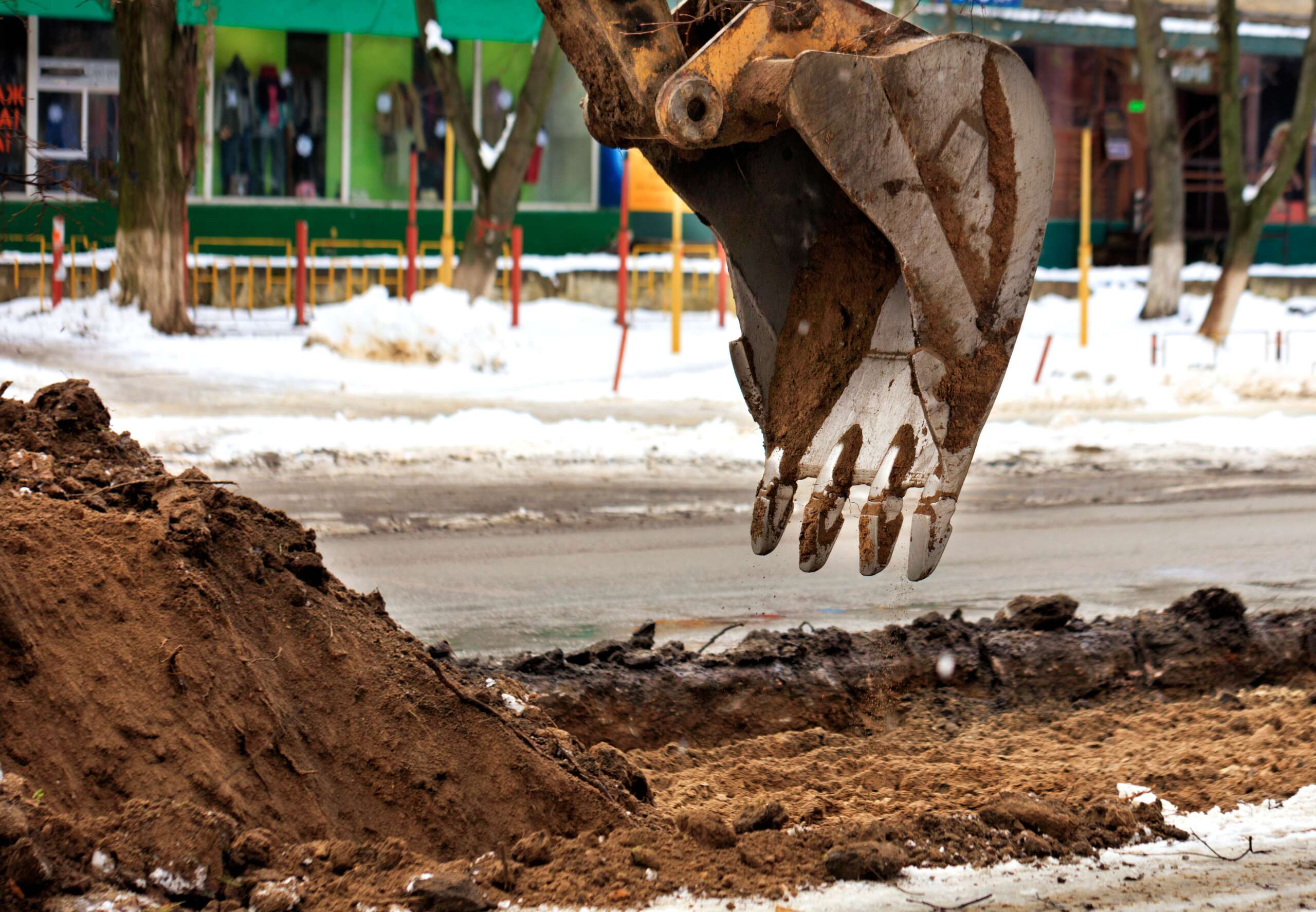
Safety Comes First
The weather does not just affect the materials. It affects the people doing the work, the inspectors on site, and the traveling public.
High winds, lightning, extreme heat, icy surfaces, and reduced visibility all increased risk. Responsible contractors do not power through that just to keep a schedule looking good on paper.
When we pause for safety, it is because the situation calls for it. That is part of running a professional job site.
Cost, Quality, and Long-Term Value
Weather-related delays are not just schedule adjustments. Many times, they are quality control decisions.
Rushing work in poor conditions can create long term problems: unstable subgrades, poor compaction, cracking, drainage issues, and early pavement failures. Fixing those issues later costs more than doing it right the first time.
From a taxpayer and community standpoint, waiting for the right conditions protects the investment being made in public infrastructure.
What You Should Expect During Weather Delays
When work pauses due to weather, the project does not stop.
Behind the scenes, crews are still:
- monitoring forecasts and site conditions
- coordinating deliveries and subcontractors
- adjusting sequencing to keep the project moving, where it can
- preparing to restart efficiently once conditions are right
Construction timelines are not based solely on calendar days. They are based on meeting technical standards that make the finished product safe and reliable for years.
Building for the Long Term
Weather is part of construction, especially here. Experienced contractors account for it through planning, constant monitoring, and making smart calls in the field.
Pauses caused by rain, temperature, or seasonal conditions are not setbacks. They are often the responsible choice to deliver infrastructure that is safe, durable, and built to last.
At P.T. Ferro, schedule decisions are driven by safety, quality, and performance. The goal is not just to finish a project. The goal is to finish it right, so the community can rely on it for years to come.
Sources and References
- Federal Highway Administration (FHWA), Impact of Environmental Factors on Pavement Performance(PDF): https://www.fhwa.dot.gov/publications/research/infrastructure/pavements/16084/16084.pdf
- OSHA, Cold Stress: https://www.osha.gov/winter-weather/cold-stress
- OSHA, Winter Weather Preparedness: https://www.osha.gov/winter-weather/preparedness
- American Concrete Institute (ACI), 306R-16 Guide to Cold Weather Concreting (excerpt PDF): https://boulderscape.com/wp-content/uploads/2018/09/Cold-Weather-Spec-ACI-306R-16-3.2.pdf
- Asphalt Institute, Asphalt Pavement Construction FAQ:https://www.asphaltinstitute.org/engineering/frequently-asked-questions/asphalt-pavement-construction/
- MDPI Buildings (article link as originally provided): https://www.mdpi.com/2075-5309/15/3/474
